
ScummVM on Wii U has picked up one of its bigger updates, and version 0.6.0 gives Nintendo’s console a much wider selection of compatible PC adventure games. Riven, Blade Runner and The 11th Hour are among the headline additions, joined by new audio options and a fix for a graphics-memory problem capable of freezing the software after repeated game launches. This isn’t the same version numbering used by the main ScummVM project. The new update belongs to the unofficial native Wii U port, built mainly for consoles running Aroma. Once installed, it can launch from the Wii U Menu without relying on RetroArch. It’s a fairly chunky release.
Riven and Blade Runner join the supported games
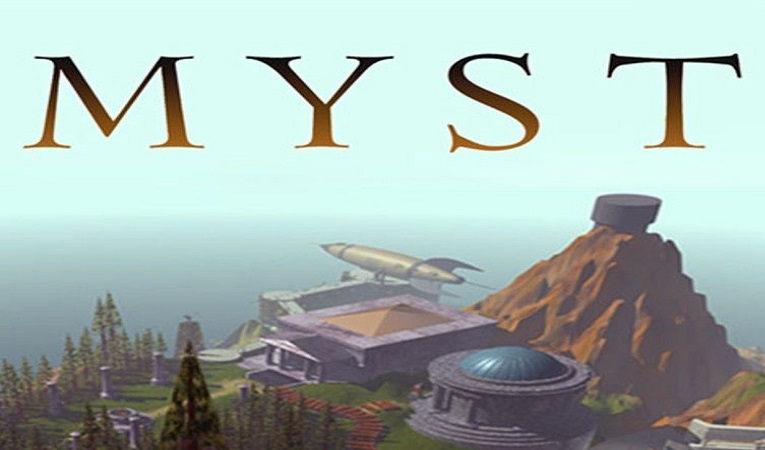
The biggest change comes from the new engines packed into this build. ScummVM Wii U already supported SCUMM but the new update adds Mohawk, the Blade Runner engine, Groovie and Groovie2, opening the door to several games previously missing from the Wii U port. Mohawk covers Myst, Myst Masterpiece Edition and Riven. Groovie brings support for The 7th Guest, with Groovie2 covering The 11th Hour. Blade Runner gets its own dedicated engine.
Riven, Blade Runner and The 11th Hour have each been tested on real Wii U hardware, with the developer reporting no problems during those test sessions. Full-game compatibility isn’t guaranteed, so different releases or less common situations could still produce issues.
Myst, Myst Masterpiece Edition and The 7th Guest are supported by their respective engines, though they didn’t receive the same hardware testing for this release. For a port with a fairly focused engine list, it’s a meaningful increase in playable software.
The Wii U GamePad does most of the work
Mouse-driven adventure games need a workable pointer, and the GamePad handles much of the input here. Touching the screen moves the pointer and performs a left click. The left analogue stick offers a more conventional pointer control method. A works as the left mouse button, B handles the right mouse button, and holding R slows pointer movement for finer control.
Other mapped buttons cover functions such as Escape, individual game menus and ScummVM’s global menu where supported. Text entry uses the Wii U’s native on-screen keyboard. Save names and other keyboard input can be entered without plugging in extra hardware.
Video can appear on both the television and GamePad. Players can use the handheld screen for direct touchscreen input or keep the main image on the TV and treat the GamePad as the controller. It suits ScummVM surprisingly well.
MP3 support joins MT-32 emulation
The new update also brings a couple of useful audio additions too. MP3 decoding is now supported for compatible games and ScummVM audio files. Put correctly prepared files in the expected directories and the software can decode them during play.
MT-32 emulation is included in the new release. Games capable of using Roland MT-32 audio can use the emulator after the required ROM files have been supplied and selected through ScummVM’s audio settings.
Those ROM files aren’t distributed with the port. Users need compatible MT-32 control and PCM ROM files from their own setup. Other common codecs remain outside this Wii U build. Vorbis and FLAC support aren’t included, and MPEG-2 isn’t present either.
A memory leak fix should stop repeated freezes
One of the less visible changes could prove more useful during regular use. Earlier builds had a graphics-memory leak linked to the SDL window texture. Repeatedly leaving a game, returning to the ScummVM launcher and starting another title could eventually consume enough graphics memory to cause allocation failures and freezes.
Testing involved repeatedly launching and leaving games including Indiana Jones and the Fate of Atlantis and Sam & Max Hit the Road. The freeze seen after repeated cycles no longer appeared during testing. It’s not a flashy change, but anyone switching between several games during one session should benefit from it.
Aroma remains the main way to run it
Aroma is the preferred setup for ScummVM Wii U. The package can be copied to an SD card and launched from the Wii U Menu on an Aroma-equipped console. An experimental RPX build exists for older Homebrew Launcher or loader setups, though those configurations haven’t received the same level of testing.
Commercial game files aren’t included. Players need to provide data from their own copies. The Wii U port doesn’t match the full engine range of current desktop ScummVM releases either. SCUMM v7, v8 and HE remain absent, along with numerous engines found elsewhere.
Still, the new updat moves the Wii U edition forward in several practical areas. Riven, Blade Runner and The 11th Hour are the obvious attractions, but the improved audio options, GamePad controls and memory fix make this release more useful beyond its new game list.
MORE AMIGA & RETRO NEWS
 GOG Preservation Program grows with new games and classic box scans
 GTA 3 has found its way onto Nintendo Wii after 25 years
 A new ScummVM update has arrived for Amiga adventure fans
 GTA Vice City gets an unexpected native Nintendo Wii port
 ScummVM begins public testing for Star Wars: Rebel Assault games
 ScummVM on Nintendo 64: supported games, video playback and features
 Wii64 Beta 1.4 brings faster Nintendo 64 emulation to Wii, GameCube and Wii U
 Duke Nukem: Zero Hour review – the forgotten N64 exclusive revisited
 Claude Code builds playable endless runner in Unreal Engine 5
 Microsoft Windows NT revived on Nintendo GameCube, Wii and Wii U via PowerPC port
 Retro gaming in 2030: the rise of 2000s nostalgia and the future of Atari, Amiga, and Commodore
 Hyper Runner reaches big milestone with stock Amiga 1200 compatibility
 Latest ScummVM update gives classic adventure gaming a speed boost on AmigaOS4
 Myst remake could bring the legendary adventure game to PS5
 Myst: One of the best-selling Amiga & PC games of all time