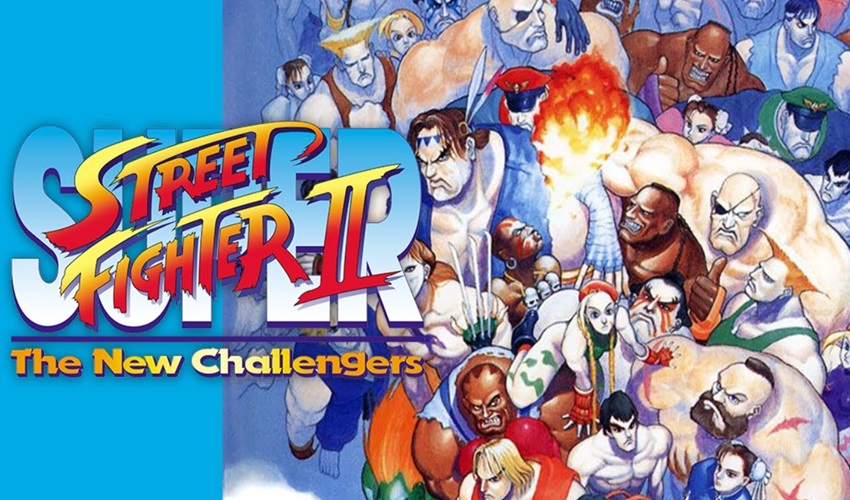
Super Street Fighter II was never one of the Amiga’s prettiest arcade conversions. The characters were small, the animation was limited and the console versions made it seem rather ordinary. But beneath those rough graphics sat a surprisingly faithful fighting game. Now, developer Gianluca is rebuilding much of it for AGA Amigas, with bigger characters, more colours and arcade-style controls. And he’s doing it without asking for a faster machine.
A better fighting game than you might remember
Super Street Fighter II: The New Challengers arrived in arcades in 1993, bringing four new characters to Capcom’s hugely successful fighting series. Cammy, Dee Jay, Fei Long and T. Hawk joined the roster, taking the number of playable fighters to 16. Running on Capcom’s CPS-2 arcade hardware, the game featured improved character artwork, additional animations and more detailed stages.
The Super Nintendo and Mega Drive versions followed, offering respectable conversions for their respective machines. The Amiga edition arrived in 1995, developed by Freestyle and published by U.S. Gold. Visually, it wasn’t much competition.
Characters were smaller, animations had fewer frames and the backgrounds lacked much of the arcade game’s detail. Yet something interesting was happening underneath. Freestyle had access to Capcom’s original game logic and assets, helping it reproduce the combat mechanics with surprising accuracy. It played better than it appeared. And this is precisely what makes Super Street Fighter II Evolution AGA interesting.
What started small has become something much bigger
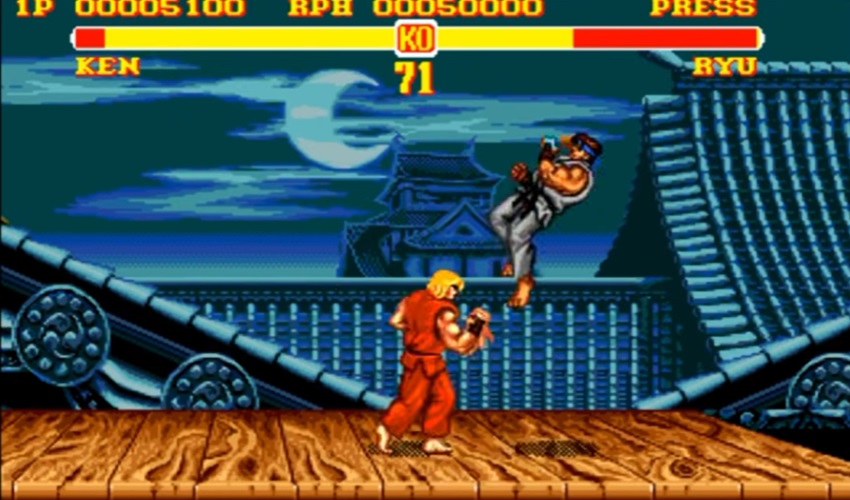
Gianluca, the developer behind the Active Soccer series, didn’t originally set out to rebuild Super Street Fighter II. His first idea was a simple palette hack. Change a few colours, improve the appearance and leave the rest alone. But the project kept growing.
He’s now replacing much of the original rendering code, increasing the size of the characters, enlarging the playing area and improving the stages. The aim is to bring the game considerably closer to its arcade counterpart, both visually and mechanically.
There’s one condition he’s sticking to. It has to run on a standard AGA Amiga. No fast RAM, no accelerator and no extra hardware to make things easier. The entire project must work within the machine’s original 2 MB of chip RAM. That’s where things get interesting.
Two megabytes isn’t much room for a fighting game
Street Fighter II needs plenty of animation frames. Every character has punches, kicks, jumps, throws, special moves and reactions to incoming attacks. Add larger graphics and the memory requirements quickly become difficult to manage.
The Amiga’s blitter handles much of the graphical work, but it has limits. Bigger characters mean more pixels to move around, and the larger stages add further demands.
Developer Gianluca is having to balance character size, animation frames and performance carefully. Saving memory in one area can create problems elsewhere, particularly when the intention is to keep the arcade move sets intact.
More colours without taking the easy route
The graphics are receiving attention beyond sprite sizes. Gianluca wants a richer colour palette, closer to what players saw on the 16-bit consoles. For now, he’s avoiding dual playfield mode, which would leave 16 colours for the stage and 16 shared between the fighters.
He’d rather use a different rendering approach and get more colours onto the screen. It’s a choice with consequences. More detailed graphics place greater demands on the hardware, particularly when combined with larger sprites and more animation frames. Dual playfield isn’t completely off the table. Gianluca has considered using more advanced copper list techniques to work around some of its restrictions, but it’s not part of the current approach.
The fighting matters as much as the graphics
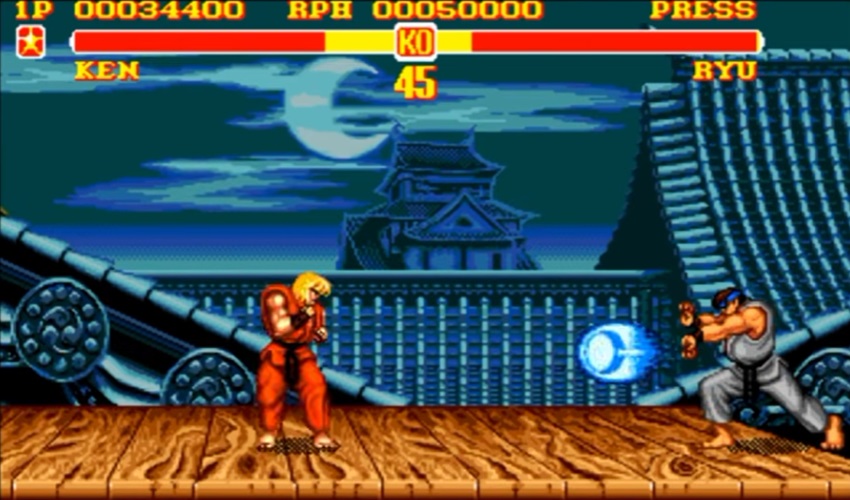
Evolution AGA isn’t intended to be a visual upgrade alone. The project aims to include the complete arcade move sets, six-button controls and hitboxes matching the original arcade game. Players should have access to separate light, medium and heavy punches and kicks, rather than having to work around the compromises common to Amiga fighting games.
Those improvements could make a considerable difference to how the conversion plays, particularly for anyone familiar with the arcade version. Gianluca is using AI tools to help track down memory leaks, check incorrect code offsets and investigate Guru Meditation crashes. The programming decisions, rendering approach and solutions to the Amiga’s hardware restrictions remain his own work.
There’s still plenty of work ahead
Super Street Fighter II Evolution AGA remains unfinished, and there’s no release date yet. The main challenges are clear. Larger fighters need more memory, more animation means more graphics data, and the blitter must cope with increased demands without affecting the speed of the fights.
None of this comes with an easy solution on an unexpanded AGA machine. Still, the project has an interesting starting point. The original Amiga release already had a solid fighting system beneath its compromised presentation. Evolution AGA is attempting to keep this foundation, improve the graphics and bring the controls and move sets closer to the arcade original. Whether everything can fit into 2 MB remains one of the biggest questions. For an Amiga running Super Street Fighter II, it’s quite a lot to ask.
MORE AMIGA & RETRO NEWS
 Street Fighter III trilogy gets native PC ports with rollback multiplayer and new game modes
 Fighting Street MD puts Capcom’s first Street Fighter on Mega Drive
 Street Fighter Zero 2 Alpha is getting a new lease of life on Sega Dreamcast
 Akira Nishitani wants to rework Super Street Fighter 2 Turbo after 30 years
 Commodore Amiga in the 1990s: AAA, AGA and the race against the PC
 Street Fighter Alpha 3 recompiled takes the PlayStation 1 version to PC, Mac and Linux
 41 years of Commodore Amiga: 41 facts about the legendary computer
 Street Fighter III 2nd Impact FPGA core lands with major CPS3 progress
 Art of Fighting 3 R could be the SNK remaster retro fighting fans were waiting for
 Super Street Fighter II Turbo on Commodore 64: new C64 update shows serious progress
 Amiga beyond Commodore: how outside companies built its gaming, video and software legacy
 Virtua Fighter Crossroads: the comeback that could reshape fighting games
 Capcom CPS3 arcade core reaches MiSTer FPGA in new beta release
 Super Street Fighter II Turbo on Commodore 64: new demo 3 release shows stunning progress
 The 50 best Amiga games of all time: a nostalgic journey through the Commodore era