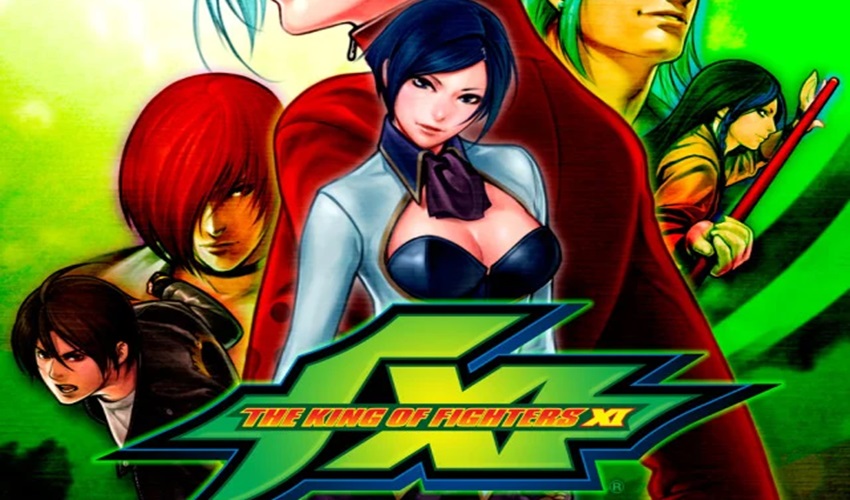
Some fighting games never quite leave your head. The King of Fighters XI is one of those games. Its fast tag-team battles, demanding combos and wonderfully unpredictable character roster gave SNK’s series a different energy when it arrived in arcades. It could be frustrating, occasionally unforgiving, but rarely boring. Now, Mad Gear Edition takes this already distinctive fighter and fixes some of the little annoyances standing between players and the next match. It’s not a dramatic reinvention. It doesn’t need to be. Developed by ATG for the PlayStation 2 and Atomiswave releases, Mad Gear Edition introduces quicker rematches, better training options, immediate character access and several technical adjustments. The changes might sound modest on paper, but anyone who’s spent an evening repeating the same difficult combo will appreciate what they bring to the screen.
A King of Fighters game with a different attitude
Released in Japanese arcades in October 2005, The King of Fighters XI marked an interesting period for SNK Playmore. The familiar Neo Geo hardware had been replaced by Sammy’s Atomiswave, and the series was experimenting with a faster style of combat. The PlayStation 2 edition arrived in Japan in June 2006, complete with extra fighters and additional modes. This wasn’t the traditional King of Fighters experience.
Instead of watching one character collapse before the next entered the arena, players could switch between three team members during combat. Quick Shift, Saving Shift and Dream Cancel introduced fresh possibilities for aggressive combinations, defensive escapes and sudden reversals. Matches could change direction in seconds.
The Ash Crimson storyline continued from The King of Fighters 2003, bringing familiar faces and a few unusual additions into an increasingly complicated tournament. Its roster was packed with personality, and its combat system rewarded players willing to experiment. There’s something particularly satisfying about finally getting a difficult sequence right in KOF XI. Mad Gear Edition makes reaching those moments less exhausting.
Training without the constant interruptions
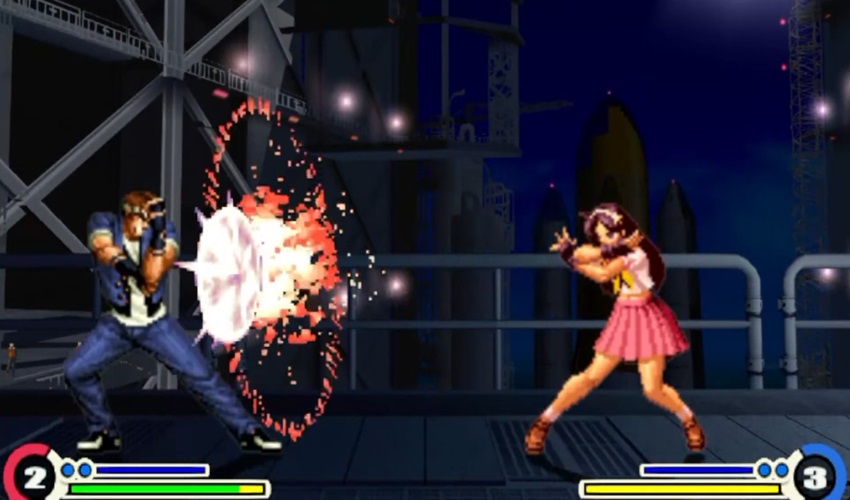
Practice mode receives the most substantial attention, and it’s arguably the most immediately interesting part of the modification. Input history can appear directly on screen, displaying commands for either fighter or both simultaneously. Combo damage and stun counters provide instant information about each attack. No more trying to estimate damage from a shrinking health bar or wondering whether a combination worked as intended.
A quick-reset command is another welcome addition. Fighters can return to their starting positions or selected corners without repeatedly opening menus. It’s a small convenience, but one capable of saving an astonishing amount of button pressing during a long practice session.
Guard behaviour now includes continuous and random blocking, and players get more control over gauges and recovery settings. Recorded opponent commands can be replayed for repeated tests, giving difficult situations a consistent starting point. Both controllers can access the practice menu, and a correction restores the intended additional airborne hit stun associated with the Counter setting.
For anyone who enjoys experimenting with character combinations, this is where Mad Gear Edition becomes particularly appealing. The game gets out of your way and lets you concentrate on the fight.
One more match without the waiting
Few things interrupt a competitive evening quite like repeatedly returning through selection screens. Mad Gear Edition addresses this with immediate rematch shortcuts on PlayStation 2, letting players continue from the victory screen or return directly to team-order selection. It’s a simple change. A welcome one, too.
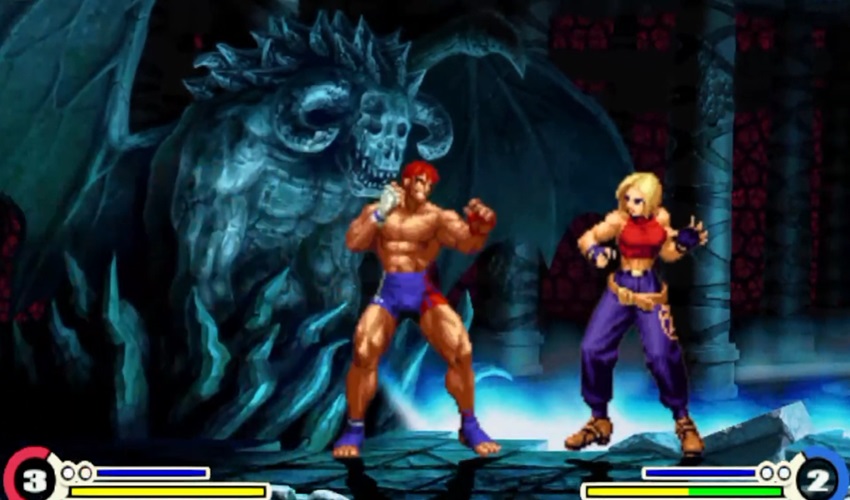
Bosses, extra console characters and challenges are available immediately. Duplicate characters can occupy the same team, complete with appropriate colour variations. Yuri Sakazaki receives a correction addressing differences from her arcade behaviour, and the presentation benefits from revised menus, a different title screen and fewer start-up interruptions.
The Atomiswave edition receives its own improvements, including quicker rematches, selectable bosses such as Shion and Magaki, combo damage information and duplicate team members. Bilinear filtering has been disabled for a sharper image, keeping the sprite artwork crisp rather than unnecessarily softened. Rematch input handling has received attention, too.
Two editions, two separate patches
Mad Gear Edition comes as a modification for existing game files rather than a complete release. The PlayStation 2 edition requires an image of the original Japanese disc. Its Windows patching utility checks the ISO, produces a modified copy and verifies the finished file. A PPF patch provides another installation option.
Testing covers PCSX2 and original PlayStation 2 hardware. The Atomiswave edition requires the appropriate arcade ROM files and has been tested on an AW Multi setup. Each release has its own patch, and neither includes the original game.
The fighting game is still the star
What I particularly like about Mad Gear Edition is its restraint. The King of Fighters XI doesn’t suddenly become another fighting game. Its unusual team system, demanding timing and frantic momentum remain intact. Instead, the changes concentrate on moments players encounter repeatedly: preparing a combo, resetting a position, selecting a character or starting another match.
For a game built around quick decisions and relentless exchanges, removing those interruptions makes perfect sense. Mad Gear Edition gives The King of Fighters XI a more convenient way to play, without interfering with the combat responsible for making it so memorable in the first place.
MORE AMIGA & RETRO NEWS
 Phantom Gear has the ingredients of a compelling action platformer ahead of 3 December 2026
 Sega Saturn classic Fighters Megamix gets a PC port with Steam Deck support
 KOF ’98 and KOF 2002 just got a huge PS2 restoration mod
 Metal Gear gets an unofficial X68000 port nearly 40 years later
 This Metal Gear Solid fan remake looks amazing and you can play it now
 Sonic Racing: CrossWorlds mod expands Extreme Gear across Grand Prix races
 Dyna Gear is back on MiSTer FPGA and it’s pure arcade chaos
 Garden Souls preview: a fast 2D action roguelite with combo-based combat
 Art of Fighting 3 R could be the SNK remaster retro fighting fans were waiting for
 Ninja Master’s preview: SNK’s 1996 Neo Geo fighting game heads to Steam
 Virtua Fighter Crossroads: the comeback that could reshape fighting games
 Shot One Fighters could be the roguelite fighting game fans have been waiting for
 Sega Game Gear 35 years later: the handheld console ahead of its time
 50 Amazing games you can play on AmigaOS 4 and AmigaOne computers
 50 Classic Commodore 64 games that made the C64 the king of 80s gaming