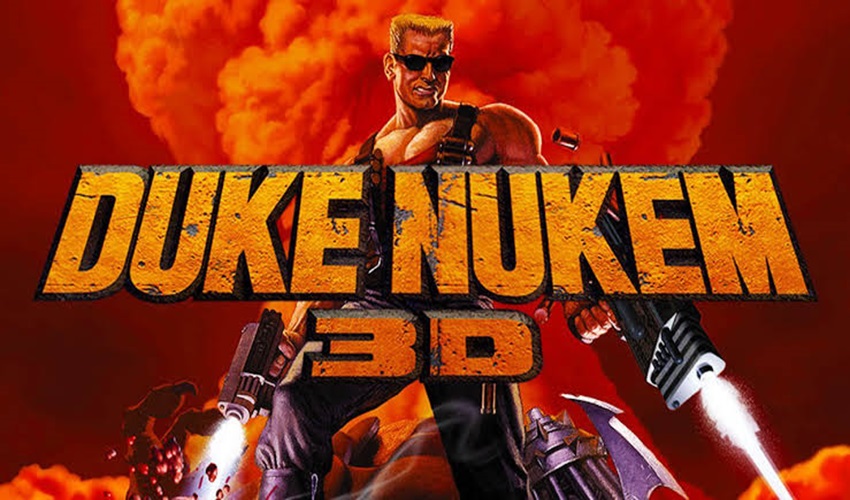
I’ve always had a soft spot for the stranger versions of Duke Nukem 3D, and few are quite as unusual as the 1997 Tiger game.com adaptation. Nearly three decades after its release, this peculiar little first-person shooter has made its way onto the Nintendo Game Boy Advance through an unofficial native port. It’s an interesting piece of technical work, but there’s something far more exciting hiding inside the original cartridge. Three previously inaccessible levels have surfaced during the development process, giving Duke another three maps to blast his way through. The conversion forms part of the open-source gamecom2gba project and offers two playable editions, including an extended 15-level campaign.
Duke Nukem 3D’s strangest handheld outing
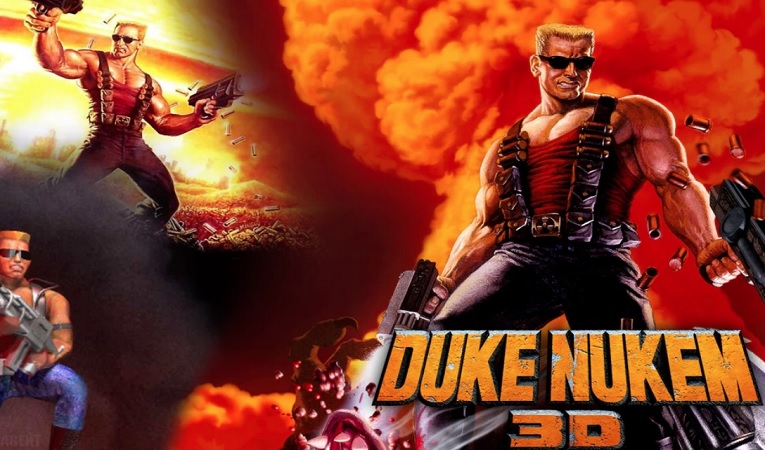
There was something wonderfully distinctive about Duke Nukem 3D when 3D Realms released it for MS-DOS in 1996. From shooting up a cinema to exploring the streets of Los Angeles, Ken Silverman’s Build engine gave players an unprecedented degree of interaction with their surroundings. Duke’s personality, ridiculous weapons and alien enemies gave the shooter an identity of its own. The Tiger game.com version was a different beast entirely.
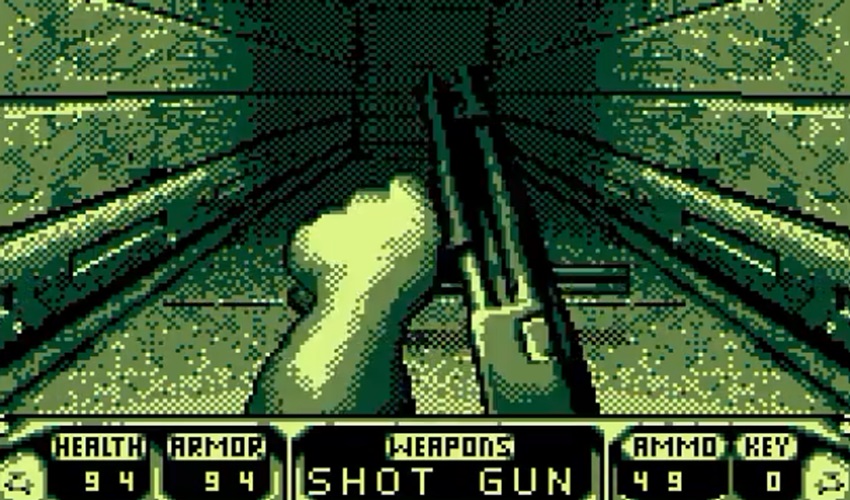
Released in December 1997, this adaptation attempted to squeeze Duke’s adventures onto an 8-bit handheld equipped with a 200 × 160-pixel monochrome touchscreen. Tiger’s hardware couldn’t reproduce the intricate environments of the PC original, so its developers approached the conversion from an entirely different direction.
Movement takes place on a grid, with players advancing between fixed positions, collecting ammunition, opening doors and shooting aliens from predetermined angles. It’s closer to a dungeon crawler than a conventional first-person shooter, yet there’s plenty of recognisable Duke Nukem imagery throughout the experience. The familiar weapons, enemies and locations survived the transition, giving the game a rather curious identity within the series.
Getting Duke running natively on the GBA
What particularly interests me about gamecom2gba is the technical approach behind the conversion. This isn’t another emulator running on Nintendo’s handheld. The developer extracts the assets from the original game.com cartridge and combines them with a custom runtime written for the Game Boy Advance.
The GBA’s hardware background layers handle walls, doors and scenery, with sprites representing enemies, weapons and collectible items. A hardware timer manages movement and weapon timings independently of graphical updates.
Visually, the port stays close to Tiger’s original presentation. The monochrome graphics occupy a central 200 × 160-pixel area on the GBA’s 240 × 160-pixel display, with Tiger and game.com branding filling the unused space on either side.
The developer has adapted the controls to Nintendo’s handheld, using the shoulder buttons for left and right attacks. The four difficulty settings remain intact, and the original password-based progression system works alongside the GBA’s save functionality.
Three hidden levels after nearly 30 years
Here’s where things get particularly interesting. During the reverse engineering process, the developer discovered three additional maps inside the original game.com cartridge: Launching Facility, Lunatic Fringe and Freeway. As someone with a particular fondness for Duke Nukem 3D’s level design, the discovery of additional playable maps from a commercial 1997 release immediately caught my attention.
Each of the three episodes, L.A. Meltdown, Lunar Apocalypse and Shrapnel City, contains an extra map beyond its regular four-level structure. These aren’t unfinished test rooms, either. They feature functional gameplay and working exits.
Three individual flags within the game.com’s system record control access to these maps, but the original method of activating them remains unclear. The GBA conversion removes this restriction from its extended campaign, integrating the additional content into regular gameplay. It’s a rather unexpected discovery for a game approaching its 30th anniversary.
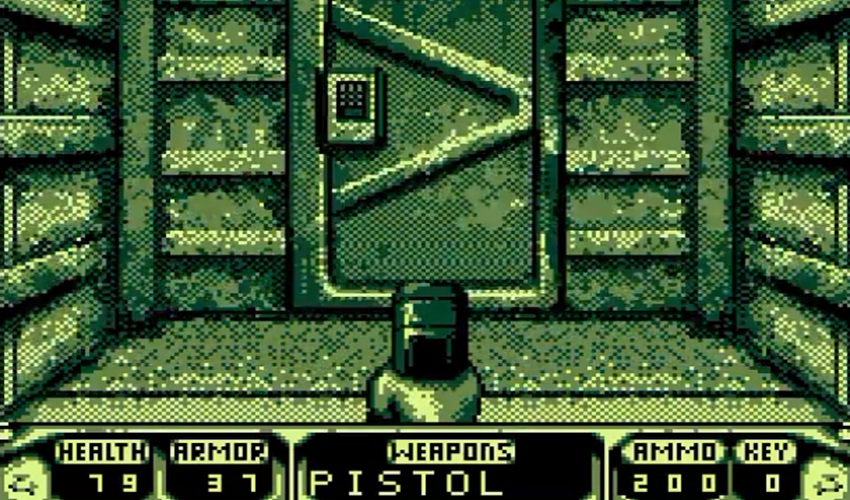
Two versions of Duke Nukem 3D for Game Boy Advance
The Windows-based gamecom2gba utility requires the original 2 MB American cartridge ROM and accepts both uncompressed files and ZIP archives. It produces two separate Game Boy Advance ROMs, one featuring the original 12-level campaign and another containing 15 playable maps.
The developer has tested the conversion using mGBA and physical Game Boy Advance hardware. The project carries an MIT licence and doesn’t distribute copyrighted game assets.
Resident Evil 2 and Mortal Kombat Trilogy could follow
Duke Nukem 3D is currently the first playable conversion, with Resident Evil 2, Mortal Kombat Trilogy, Sonic Jam, Fighters Megamix, Batman & Robin, Jurassic Park, Indy 500 and Castlevania on the project’s development list.
I’ve always liked the commercially released Duke Nukem Advance from 2002, but this conversion offers something considerably different. Instead of another traditional Duke adventure, it’s an opportunity to explore one of the franchise’s most peculiar adaptations, complete with three additional levels from a cartridge released in 1997. More Duke Nukem to play in 2026? I certainly wasn’t expecting it to come from the Tiger game.com.
MORE AMIGA & RETRO NEWS
 The original Duke Nukem makes its way to the ZX Spectrum Next
 Someone has brought Duke Nukem 3D to the Sega 32X, and it actually runs
 Duke Nukem 3D runs on the SNES Doom engine after 18 months of development
 Duke Nukem: Land of the Babes is escaping the PS1 after 26 years
 Duke Nukem 3D can now be viewed from multiple angles in real 3D
 Duke Nukem Advance returns on PC as a Duke Nukem 3D mod
 This new Duke-RT release gives Duke Nukem 3D a stunning graphics upgrade
 Duke Nukem on Atari ST: the original DOS shooter finally reaches Atari’s 16-bit computer
 Best retro handheld gaming consoles 2026: Analogue Pocket, Retroid Pocket 5 and more
 How Ken Silverman’s Build engine shaped Duke Nukem 3D and 90s FPS design
 Duke Nukem: Zero Hour review – the forgotten N64 exclusive revisited
 Duke Nukem 3D looks like a modern remaster thanks to new path tracing mod
 Hail to the king: Duke Nukem 3D returns to Amiga with PiStorm optimization
 50 Amazing games you can play on AmigaOS 4 and AmigaOne computers
 Hail to the King, Baby: Duke Nukem 3D at 30 — the FPS that gave games attitude