Germany’s new game rating laws lead to Steam delisting classics like The Chaos Engine

Germany’s stricter age-rating rules are starting to bite harder on Steam. A reported wave of removals has taken up to 27 games off the German version of the store, and one of the more eye-catching names is The Chaos Engine, the 1993 Amiga-era top-down shooter from Bitmap Brothers. That doesn’t mean the game has suddenly changed. It hasn’t. The issue is the paperwork around it. Games sold to German users now need a valid age rating if they want to stay visible on Steam in Germany. That can come through Germany’s USK system or through another accepted rating route used by the platform. Without that rating, a game can disappear from the German storefront, even if players in other countries can still buy it without a problem. It’s a very modern problem for some very old games.
Image source Pexels

Germany’s stricter age-rating rules are starting to bite harder on Steam. A reported wave of removals has taken up to 27 games off the German version of the store, and one of the more eye-catching names is The Chaos Engine, the 1993 Amiga-era top-down shooter from Bitmap Brothers. That doesn’t mean the game has suddenly changed. It hasn’t. The issue is the paperwork around it. Games sold to German users now need a valid age rating if they want to stay visible on Steam in Germany. That can come through Germany’s USK system or through another accepted rating route used by the platform. Without that rating, a game can disappear from the German storefront, even if players in other countries can still buy it without a problem. It’s a very modern problem for some very old games.

Why Germany is removing unrated Steam titles

Germany has long taken youth protection in media seriously. Games, films and other entertainment products can face restrictions if regulators believe minors could access material considered harmful or unsuitable. That includes content built around violence, crime, sexual material, nudity or strong language.

Steam’s role matters here. The platform sells games directly to German users, so it has to match local rules. If a game doesn’t carry the right age information, Steam can remove it from sale in Germany rather than risk non-compliance.

That puts pressure on publishers and rights holders. A game might be legally available elsewhere, but that doesn’t automatically make it compliant in Germany. For a title to remain on the German Steam store, someone has to make sure the rating data exists, is accepted and is attached properly to the product page.

For new big-budget games, that’s usually just part of the release plan. Publishers expect it. They budget for it. They’ve got people for it. Older games are different.

Many retro releases landed on Steam years ago, often with minimal regional compliance work. Some came from old PC catalogues. Some were ports of console or home computer games. Some arrived through small labels that licensed older titles and pushed them onto modern storefronts. At the time, getting the game working on Windows may have felt like the hard part. Now the harder part may be keeping it legally saleable in every market.

Why The Chaos Engine is part of the story

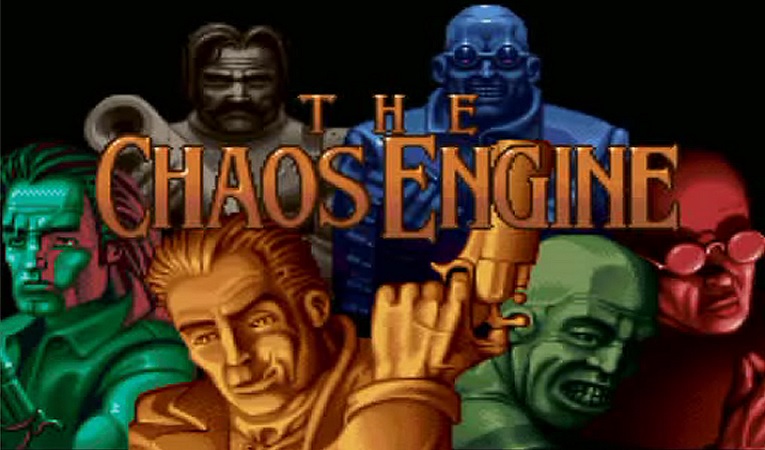
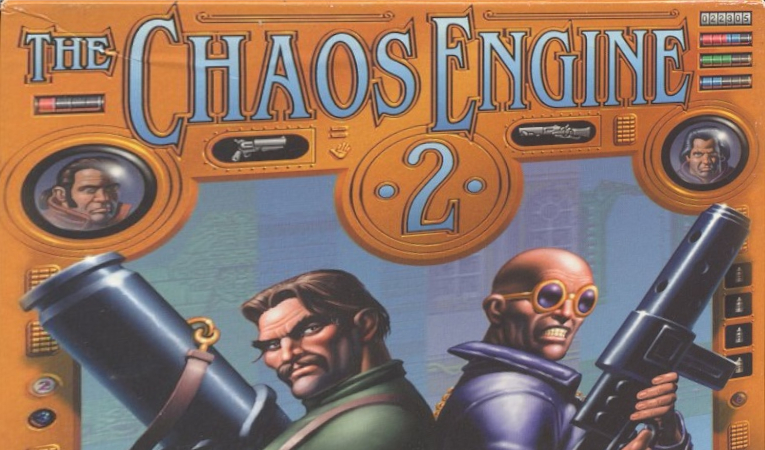
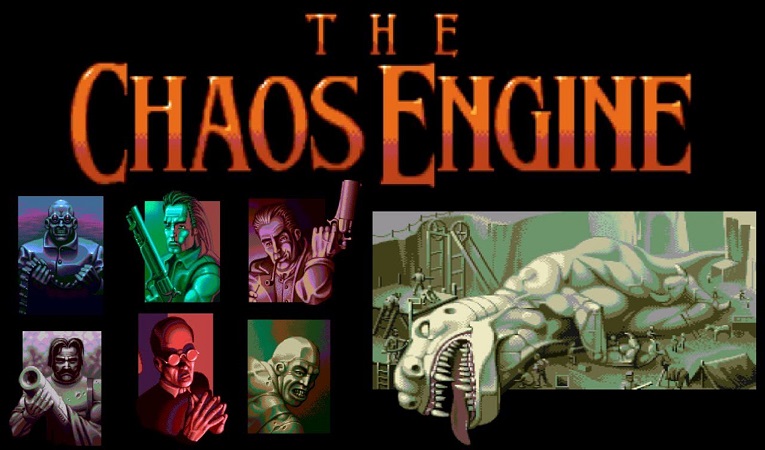
The Chaos Engine stands out because it’s not some forgotten throwaway. It’s a known name from the Amiga period and one of Bitmap Brothers’ most recognisable games. It’s a top-down run-and-gun action game set in a twisted Victorian world full of machines, monsters and armed mercenaries.

Players choose characters with different weapons and stats, then fight through dense levels packed with enemies and hazards. It’s fast, compact and direct. It also has a feature that mattered a lot in 1993: a computer-controlled partner designed to behave like a second player. That AI companion helped the game keep its co-op feel even when played solo. For the time, that was clever. It made the game feel less mechanical than many other shooters of the period.

But clever design doesn’t solve a rating problem. The Chaos Engine still contains constant combat, weapons and violent fantasy imagery. If the German store listing lacks a valid age rating, its reputation doesn’t protect it. Steam isn’t judging whether the game deserves a place in history. It’s checking whether the game meets the rules for sale in Germany. That distinction matters.

This is about access, not just censorship

Players often react to delistings with one word: censorship. The reality is a little more practical, though no less frustrating. Germany isn’t necessarily saying every removed game can never be sold. In many cases, the issue is that the game lacks the required rating. If the publisher or rights holder gets the correct classification, the game may be able to return.

That doesn’t make the removal painless. For German users, the result is simple: the buy button disappears. A game they can read about, watch online and see discussed elsewhere may no longer be available to purchase through Steam in Germany.

Existing owners may still keep access through their libraries, depending on the case. But new buyers lose access. That’s the key point. Storefront visibility shapes what PC players can actually buy, especially when Steam remains the default shop for so many people.

This also creates a messy situation across Europe. A player in Belgium, the Netherlands or France may still see a game on Steam, while a player in Germany doesn’t. Same platform. Same game. Different rules.

Indie and retro games face the biggest risk

The biggest publishers can usually handle rating requirements. They release in dozens of markets, so age classification sits inside the normal production schedule. They know which forms to file, which fees to pay and which descriptors to display. Small developers don’t always have that luxury.

For an indie studio, the cost and hassle of rating a low-selling older title in one country may not make financial sense. For a retro publisher managing a back catalogue, the maths can be even harsher. If a game sells only a handful of copies each month in Germany, paying for classification work may not look worth it. That’s where the real squeeze happens.

The games most at risk aren’t always the most extreme ones. They’re often the games with missing data, unclear rights, old store pages or small commercial footprints. A violent modern blockbuster with a proper rating can stay up. A modest old shooter without one can vanish. That feels odd from the outside, but it follows the logic of compliance. The system rewards games that have complete rating information. It punishes games that don’t.

Steam’s catalogue is no longer a static archive

For years, PC players treated Steam as a place where old games could sit forever. Once a title made it onto the store, it felt permanent. That was never fully true. Licensing deals expire. Music rights cause problems. Publishers go bust. Technical support ends. Regional rules change. This German delisting wave shows another weak point: age-rating maintenance.

A Steam release isn’t finished the day it goes live. Publishers now need to keep store metadata, ratings and regional settings up to date. That applies to a new horror game released last week and to a 1993 action game sold as a retro re-release. The market has changed. Steam has changed with it.

Germany’s rules push the platform toward stricter local filtering. If a game lacks a recognised rating, Steam has a strong reason to hide it from German users. That protects the store, but it also trims the catalogue in ways players notice only when a familiar title suddenly disappears.

What this means for players and publishers

For German PC gamers, this means some older and niche games may become harder to buy. Not because they stopped existing. Not because Steam removed them everywhere. Because they don’t meet the German storefront’s age-rating requirements. For publishers, the message is blunt: sort the ratings, or risk losing the market.

That includes back-catalogue games. It includes retro re-releases. It includes small indie titles with mature themes. If a game contains violence, sex, nudity, crime themes or strong language, and it lacks a recognised rating for Germany, it could be vulnerable.

The Chaos Engine makes the story easier to see because it’s a familiar name. But it’s really one example of a wider shift. Digital game stores can’t rely on old assumptions anymore. Germany expects age ratings. Steam is enforcing that expectation. Games without the right classification are paying the price.

That doesn’t mean mature games are disappearing from Germany. Rated mature games can still be sold. The pressure sits on unrated games, especially older ones that never went through the modern process.

The lesson is clear enough. On Steam, availability now depends on more than code, rights and a working store page. In Germany, it also depends on whether the game can prove who it’s suitable for.

Spread the love
error: